How the Trump Administration Wants to Whitewash History at the President’s Site
The following post is authored by Molly Blake, co-founder of Save Our Signs and Social Sciences Librarian at the University of Minnesota.
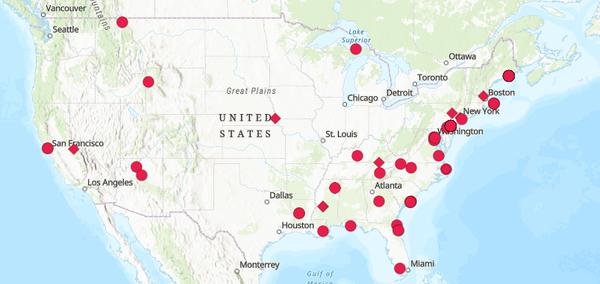
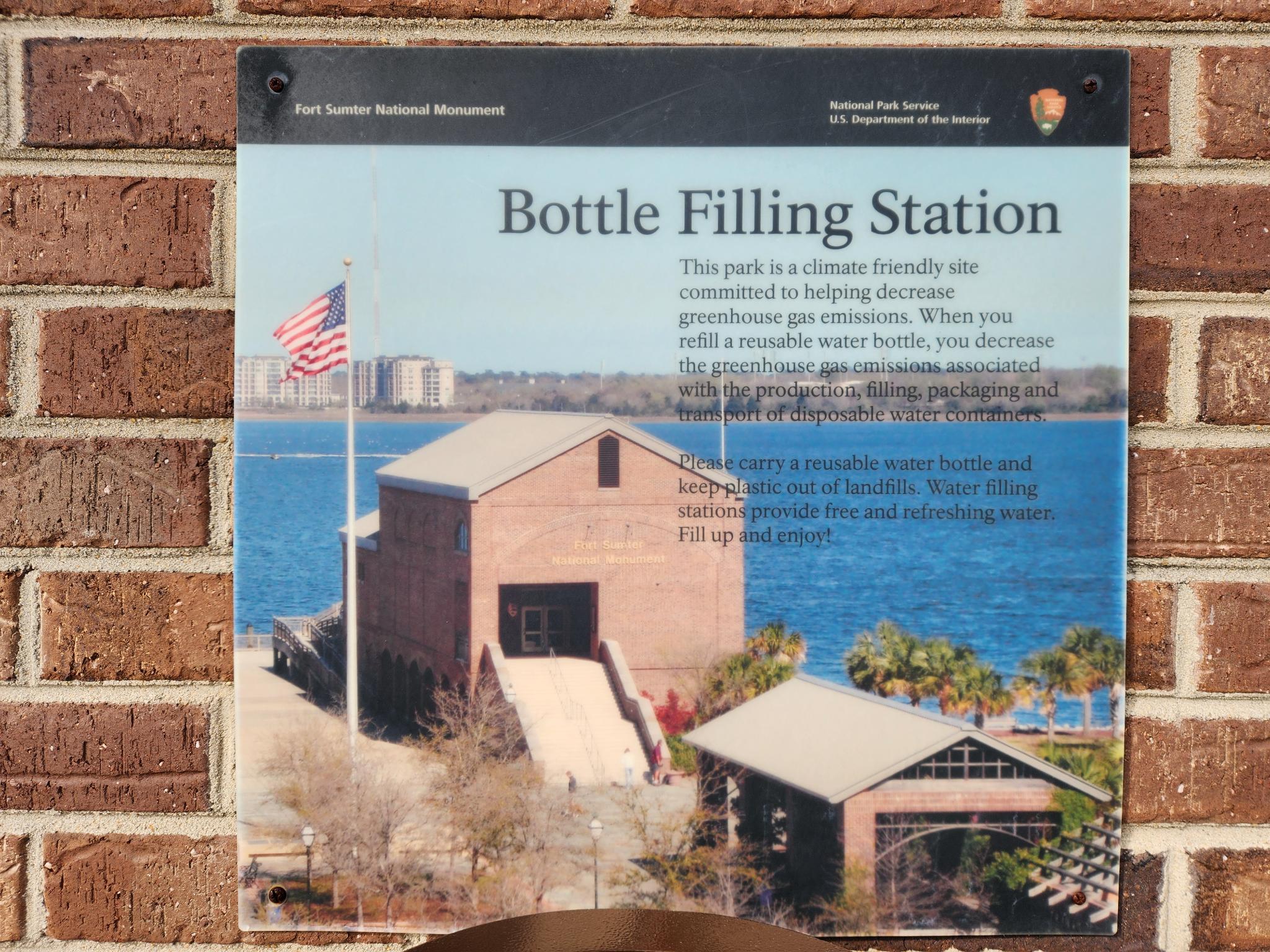
In spring 2025, the Trump administration targeted all National Park Service (NPS) sites with censorship via Executive Order 14253 and Secretarial Order 3431. These orders have resulted in the censorship of dozens of materials from at least 37 different sites. Collectively, these erasures reveal the broad range of empirical statements that the Trump administration wants to suppress from the public: The man who murdered Medgar Evers was a racist. Gustavus Cheyney Doane led the Marias Massacre, which killed over 170 Piegan Blackfeet. Using a water bottle can reduce greenhouse gas emissions.
Yet these orders name just one NPS site by name: Independence National Historic Park in Philadelphia, Pennsylvania.
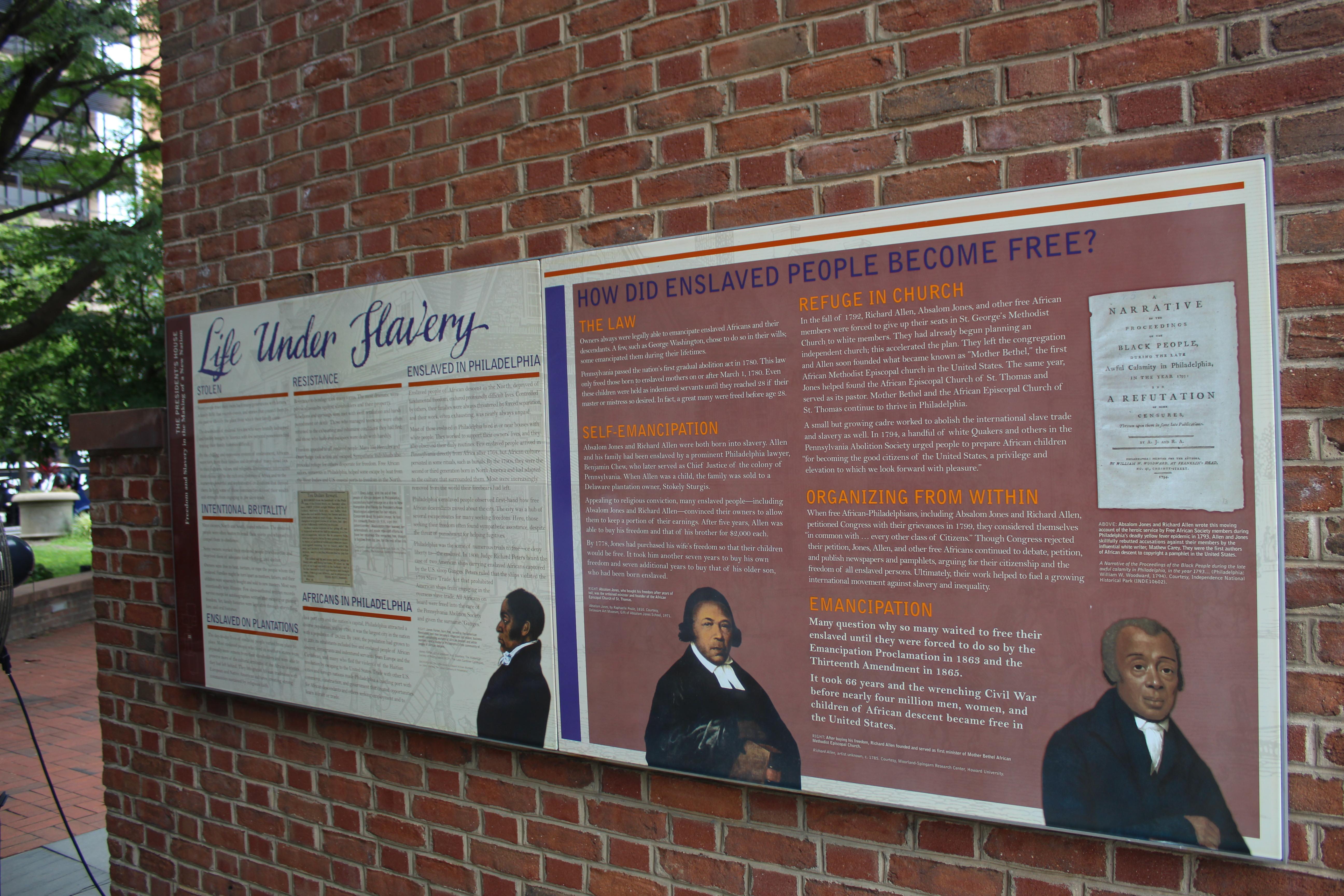
This fixation with Independence National Historic Park centers on the President’s House Site, where George Washington and John Adams lived during their respective presidencies. In 2002, the Avenging the Ancestors Coalition (ATAC), in collaboration with other supporters, launched a campaign to tell the story of the nine individuals who Washington enslaved at the site: Hercules, Richmond, Ona Judge, Austin, Christopher Sheels, Giles, Joe, Paris, and Moll. Thanks to the activism of ATAC and others, in 2010, NPS debuted the new exhibit, entitled The President’s House: Freedom and Slavery and the Making of a New Nation. Through interpretive panels, art, and even footprints in the concrete (which illustrate Ona Judge’s brave escape to freedom), the exhibit was carefully designed to invite visitors to grapple with the central paradox of U.S. history: our nation, founded on the ideals of liberty, was also built on the violence of slavery. It is this evocative exhibit that the Trump administration is preoccupied with scrubbing.
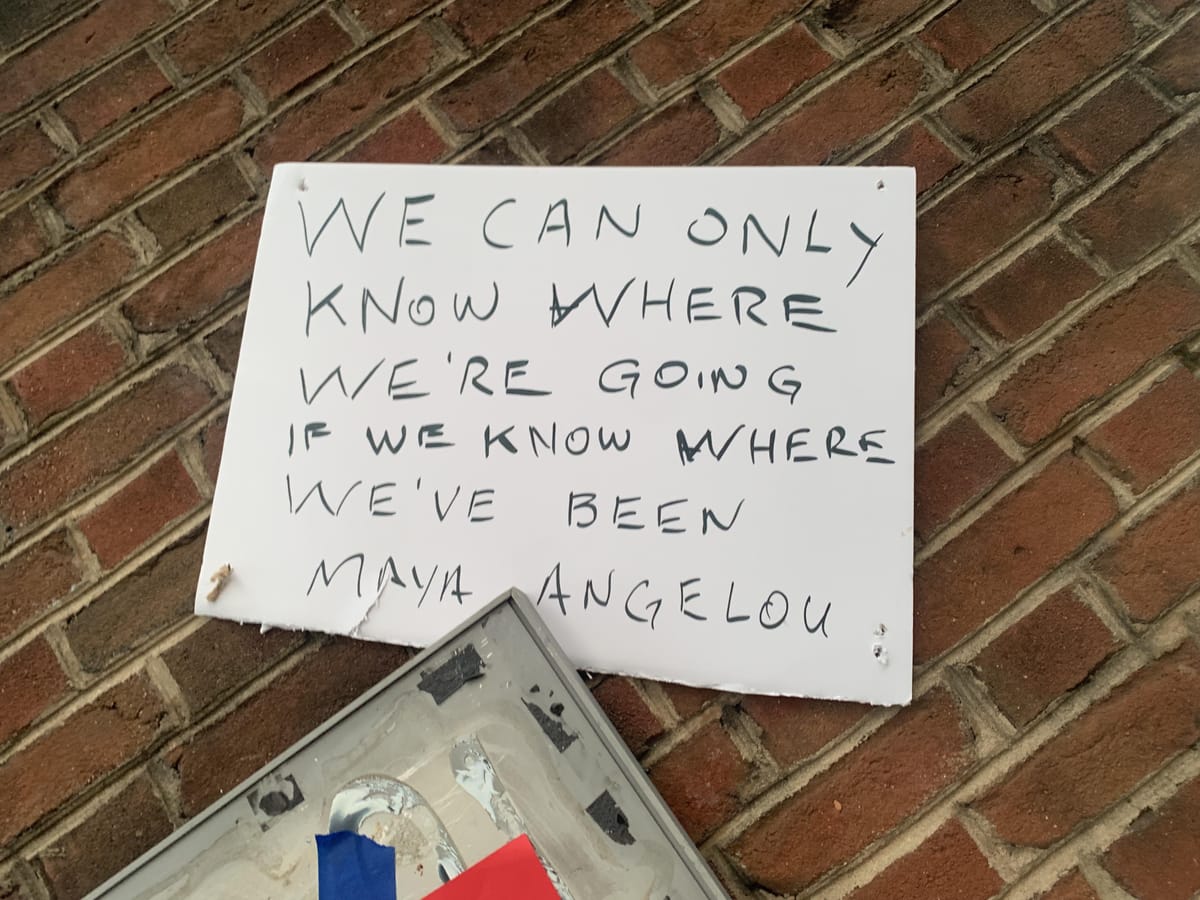
In January, the panels that dared to tell this history were removed from the site. Half of these signs were eventually returned following a district court ruling. On June 12, 2026, a federal judge temporarily paused the enforcement of EO 14253 and called for NPS to restore any removed materials within three weeks (Notably: by July 3, 2026, just one day ahead of the 250th anniversary of the signing of the Declaration of Independence). As of this writing (June 19), it has been reported that the Trump administration has filed an appeal in response to this ruling. Just last night, the administration won an appeal in a different case, greenlighting proposed changes to the exhibits at the President’s House.
In April, as reported in the Philadelphia Inquirer, the administration revealed the panels it hopes to put up at the President's site (in place of the original panels) on the NPS website. These panels provide us with a startling glimpse into how this administration plans to rewrite history. The Save Our Signs team created a side-by-side visual comparison to help readers examine these extensive changes.
The proposed panels erase key details of the realities of slavery which, as the exhibit reveals, was inextricable to the founding of the country. A removed panel entitled “Life Under Slavery” describes how that physical violence, sexual violence, family separation, and the deliberate denial of literacy were all central to slavery. In contrast, the proposed panels acknowledge that “[s]lavery was an odious and pernicious affront to the glorious rule of Liberty proclaimed in the Declaration of Independence and established in the United States Constitution,” but provide limited detail about what slavery actually involved. The nine individuals who Washington enslaved at the site are named and acknowledged, but readers are reassured that they “experienced a greater modicum of autonomy than elsewhere in the South”.
Furthermore in the original panels, visitors are invited to engage with the process of historiography itself: to consider how the way the story of the President’s House Site gets told has a history in and of itself that is worth examining. They are invited to consider how we construct these narratives in a world where power and violence shapes what materials and information appear in archives and texts, and what is hidden from future researchers. One panel, part of a set of 3 panels titled “History Lost and Found” (which were removed in January but have since been restored), explains:
One of the challenges of telling the story of Africans and their descendants in Philadelphia and elsewhere is locating information about their lives. At first they were violently kidnapped and enslaved, torn from their homes and families, deprived of their African names and way of lives…[o]ften prohibited by owners, and sometimes by law, from learning how to read and write.
Elsewhere in the same panel, visitors learn about the role that a 2007 archeology excavation played in uncovering the very places where enslaved workers lived and slept, revealing what had been “buried both literally and figuratively.” In contrast, the administration’s proposed “History Lost and Found” panels describe the 2007 excavation much more simply: “Archeology is the study of the past through the material remains of everyday objects.”
In a recent court hearing on the fate of the panels in Philadelphia, Gregory in den Berken, the lawyer for the Trump administration, claimed that withholding some historical information “is not the same thing as falsifying historical facts or denying that they occurred.” But in den Berken’s claim raises a host of other questions: Why would an administration want to hide any historical information about the past (and be so willing to go to battle to keep these stories hidden)? Why undo the work of communities and researchers who have worked together to invite visitors into a conversation about the past, how we talk about the past, and how the past shapes our future? Who benefits from unilaterally deciding which stories and questions get to stay in a historic site? And how will this chapter of history be told in 20, 50, 100 years, at Independence National Historic Park and beyond?